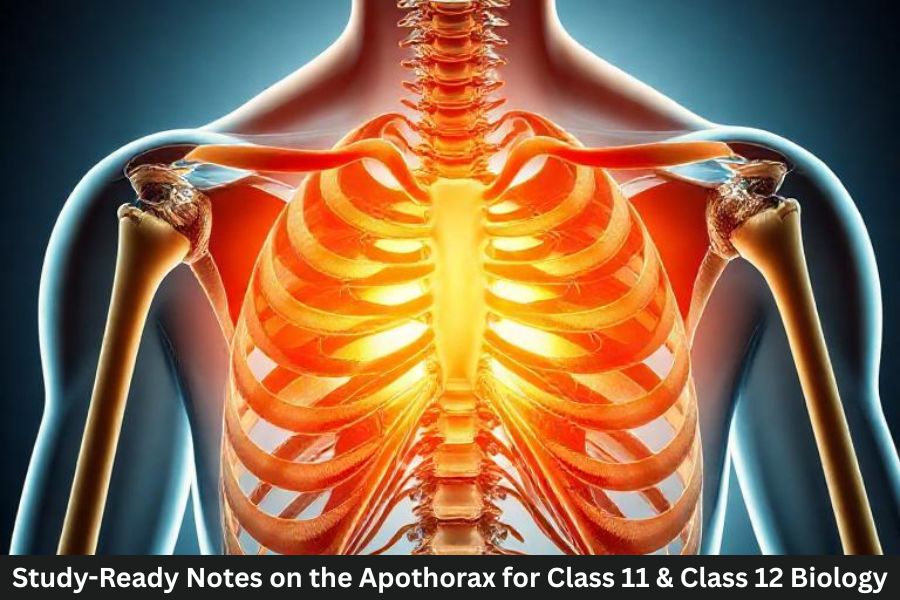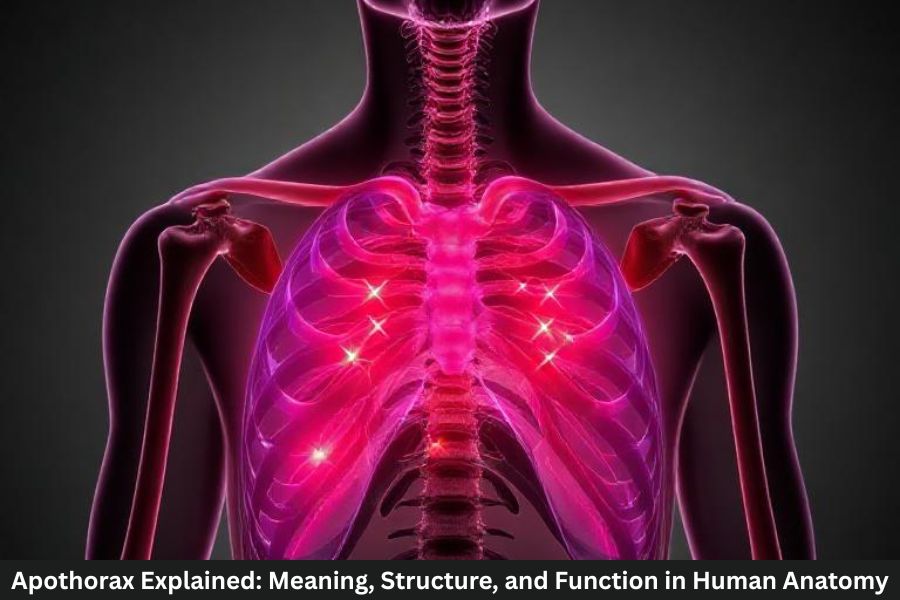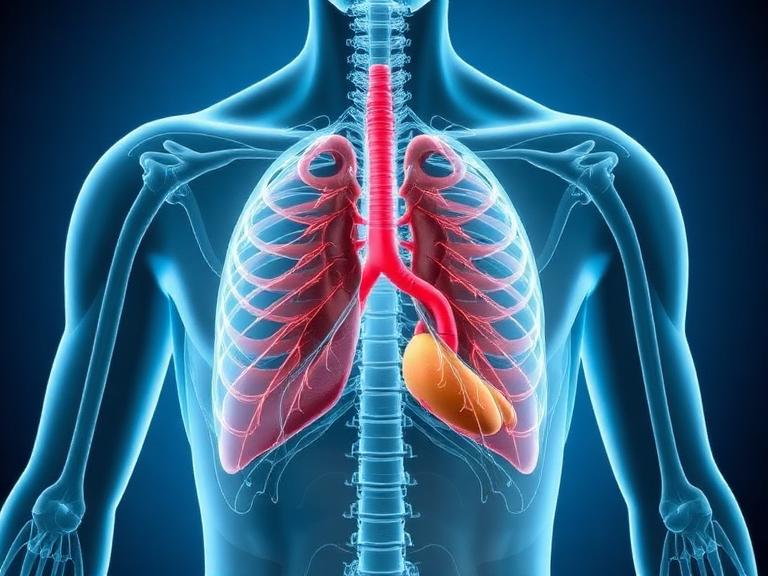
The apothorax refers to the chest region of the body that houses and supports the organs responsible for breathing and blood circulation. In modern anatomy, this region is commonly referred to as the thorax, but the historical term apothorax is still used in some anatomical discussions and educational contexts. This region is essentially the central chamber of life, where the lungs expand to bring oxygen into the body and the heart pumps blood to every cell. According to anatomical descriptions, the apothorax is enclosed by the ribs, sternum, and vertebral column, forming a strong yet flexible structure that protects vital organs while allowing movement for breathing.
Think about how often you breathe or how frequently your heart beats. The average adult breathes around 20,000 times per day, and the heart pumps approximately 100,000 beats daily, all within the protected space of the chest cavity. This continuous activity demonstrates how critical the apothorax is for survival. Without the structural support and protective environment of this region, both the lungs and heart would struggle to function efficiently.
The apothorax also acts like a biological engine room. Just as an engine powers a vehicle, this region powers the body’s respiratory and circulatory systems. The lungs draw oxygen from the air and transfer it into the bloodstream, while the heart circulates that oxygen to tissues throughout the body. These processes occur every second of our lives without conscious effort.
Understanding the apothorax is important not only for medical professionals but also for students and anyone interested in how the human body works. By examining its structure and functions, we gain a clearer picture of how respiration and circulation interact to sustain life.
Historical Context of the Term
The word apothorax originates from classical anatomical terminology used in earlier medical literature. Over time, scientific communities adopted more standardized terms to improve clarity in anatomy and medicine. As a result, the term thorax became the commonly accepted name for the chest cavity, while apothorax remained mostly in historical or educational references.
In early anatomical studies, scientists often used different words to describe the same region of the body. This happened because anatomy was still evolving as a scientific discipline. As researchers gained more knowledge and developed more precise definitions, the terminology was gradually refined. The term thorax eventually became preferred because it clearly describes the region between the neck and abdomen that contains the organs responsible for breathing and circulation.
Even though the term apothorax is less common today, it still helps illustrate how anatomical knowledge developed over time. Studying these older terms can provide insights into the history of medicine and how scientific understanding progresses. It also shows how terminology evolves as new discoveries are made and global medical communities agree on standardized language.
Another reason the concept of the apothorax remains important is that it emphasizes the interconnected nature of the body’s systems. The chest cavity does not simply hold organs; it creates a functional environment where respiration and circulation work together continuously.
Location and Boundaries of the Apothorax
Position Between Neck and Abdomen
The apothorax is located in the upper trunk of the body, positioned between the neck and the abdomen. This location places it at the center of several essential biological systems. The chest cavity connects the respiratory pathways from the head and neck to the lungs while also housing the heart and major blood vessels responsible for circulation.
Imagine the human torso as a three-story building. The head and neck form the top floor, the abdomen forms the lower floor, and the apothorax is the central floor where most of the action happens. Air enters through the nose or mouth, travels through the throat, and then reaches the lungs within the chest cavity. At the same time, blood leaving the heart travels through major vessels that pass through this same region.
This central location is extremely important because it allows the apothorax to act as a hub connecting multiple body systems. The respiratory system, circulatory system, and even parts of the digestive system interact within this region. The esophagus, for example, passes through the chest cavity on its way to the stomach.
The chest cavity also allows movement necessary for breathing. As you inhale, the rib cage expands outward and upward, increasing the volume of the cavity. When you exhale, the ribs move inward and downward, decreasing the volume and pushing air out of the lungs.
This constant movement occurs thousands of times each day, demonstrating how the apothorax functions as a dynamic environment where multiple physiological processes operate simultaneously.
Structural Boundaries of the Apothorax
The apothorax is defined by several anatomical boundaries that create a protective enclosure for vital organs. At the top, it connects to the neck through an opening known as the thoracic inlet, which allows structures such as the trachea, esophagus, and major blood vessels to pass between the chest and the neck.
The lower boundary of the apothorax is formed by the diaphragm, a dome-shaped muscle that separates the chest cavity from the abdominal cavity. This muscle is one of the most important components of the respiratory system because it drives the movement of air into and out of the lungs. When the diaphragm contracts, it moves downward and increases the volume of the chest cavity, allowing the lungs to expand.
The sides of the apothorax are protected by the rib cage, which consists of twelve pairs of ribs connected to the sternum at the front and the vertebral column at the back. These bones create a strong yet flexible structure that shields the heart and lungs while still allowing movement for breathing.
Together, these boundaries form a protective chamber designed to support two of the most essential processes of life—respiration and circulation.
Apothorax Role in Respiration and Circulation
Mechanics of Breathing
The apothorax role in respiration and circulation becomes most evident when examining the mechanics of breathing. Every inhalation and exhalation depends on coordinated movements within the chest cavity. When the diaphragm contracts and the intercostal muscles between the ribs lift the rib cage, the volume of the apothorax increases. This creates a drop in pressure that pulls air into the lungs.
You can think of the chest cavity as a natural pump. When it expands, air is drawn inside, just like pulling back on a syringe. When it compresses, air is pushed out again. This pressure-based mechanism allows the lungs to inflate and deflate efficiently.
During inhalation, oxygen enters the lungs and moves into tiny air sacs called alveoli. These sacs are surrounded by capillaries where oxygen diffuses into the bloodstream. During exhalation, carbon dioxide—produced by cellular metabolism—is expelled from the body.
The design of the apothorax makes this process incredibly efficient. The rib cage provides structural support, the diaphragm powers the breathing movement, and the lungs perform the actual gas exchange. Without this coordinated system, oxygen delivery to the body would quickly fail.
Blood Circulation Through the Heart
Respiration alone would not sustain life without circulation, and this is where the heart plays its role inside the apothorax. The heart sits slightly left of the center of the chest and acts as the main pump of the circulatory system. It continuously moves blood through arteries, veins, and capillaries, ensuring that oxygen and nutrients reach every cell in the body.
The right side of the heart receives deoxygenated blood from the body and sends it to the lungs through the pulmonary arteries. Inside the lungs, carbon dioxide is removed and oxygen is absorbed. The oxygen-rich blood then returns to the left side of the heart, which pumps it through the aorta to supply the entire body.
This cycle repeats constantly. Even while you sleep, your heart continues pumping blood and your lungs continue exchanging gases. The apothorax provides the perfect environment for this cooperation between respiration and circulation.
Interaction Between Respiration and Circulation
Respiration and circulation are closely linked processes that work together to keep the body alive. The lungs bring oxygen into the bloodstream, and the heart distributes that oxygen throughout the body. This partnership is essential for cellular respiration, the process by which cells produce energy.
Without oxygen, cells cannot generate the energy they need to perform their functions. Similarly, if the circulatory system fails to deliver oxygen efficiently, tissues begin to suffer damage. The apothorax serves as the location where these two life-sustaining processes intersect.
Conclusion
The apothorax role in respiration and circulation highlights the importance of the chest cavity in sustaining human life. Located between the neck and abdomen, this region protects and supports the heart, lungs, and major blood vessels. Through coordinated movements of the diaphragm, ribs, and intercostal muscles, the apothorax enables breathing and gas exchange.
At the same time, the heart within this region maintains blood circulation, delivering oxygen and nutrients to every part of the body. The cooperation between these systems ensures that cells receive the energy they need to function.
Understanding the apothorax helps us appreciate the remarkable design of the human body and the delicate balance required to keep it functioning.
FAQs
1. What is the apothorax in simple terms?
The apothorax refers to the chest region that houses vital organs such as the heart and lungs and supports breathing and blood circulation.
2. How does the apothorax help in respiration?
It allows the lungs to expand and contract through the coordinated movement of the rib cage, diaphragm, and intercostal muscles.
3. What role does the apothorax play in circulation?
The heart inside the apothorax pumps blood throughout the body, supplying oxygen and nutrients to tissues.
4. Is apothorax the same as thorax?
Yes. The term apothorax is an older anatomical name for what is now commonly called the thorax or chest cavity.
5. Which organs are located in the apothorax?
The lungs, heart, trachea, bronchi, and major blood vessels are all located within the apothorax.