The chest region of the human body is one of the most vital anatomical areas because it houses organs responsible for life-sustaining processes such as breathing and blood circulation. Understanding the difference between apothorax and thorax helps clarify how anatomical terminology has evolved while also providing a deeper understanding of how the body’s internal structures are organized. The chest cavity protects critical organs like the heart and lungs while allowing them the space and flexibility needed to function properly.
Every breath you take and every heartbeat you feel depends on the complex structures located inside the chest. This region works like a biological engine room, constantly operating to keep oxygen flowing and blood circulating. The rib cage expands and contracts thousands of times a day to allow breathing, while the heart pumps blood to every cell in the body. Because these processes occur inside the chest cavity, understanding its structure is essential for anyone studying biology, medicine, or human anatomy.
Medical experts often emphasize that accurate anatomical knowledge improves diagnosis and treatment. According to the National Institutes of Health, the respiratory and cardiovascular systems rely on coordinated functions within the thoracic cavity to maintain oxygen supply throughout the body. This highlights how important it is to clearly understand the anatomy of the chest region.
Learning the difference between apothorax and thorax also helps connect historical medical language with modern scientific terminology. As anatomy evolved into a precise scientific field, many terms were standardized to improve communication between researchers, doctors, and educators worldwide.
Overview of Anatomical Terminology
Anatomical terminology provides a universal language used by scientists and healthcare professionals to describe structures of the human body. Without standardized terms, it would be extremely difficult for medical professionals to communicate accurately about diagnoses, treatments, or research findings. Over centuries, anatomy has moved from descriptive language based on observation to a highly organized system of scientific naming.
Historically, many anatomical structures were described differently depending on the region or the scholar who studied them. For example, early physicians might refer to the chest area using various terms such as thorax, chest cavity, or occasionally apothorax. As the field of anatomy developed, international medical organizations worked to standardize terminology to reduce confusion. Today, most anatomical references use the term thorax to describe the chest region.
Standardization of terminology ensures that when a doctor in one country discusses the thoracic cavity with a colleague in another country, both professionals understand exactly the same structure. This clarity is particularly important in medical education and research, where precise definitions help avoid misunderstandings.
The evolution from apothorax to thorax illustrates how language adapts as scientific knowledge grows. The shift toward standardized terminology was driven by the need for accuracy, consistency, and global communication in medicine.
What Is the Apothorax
Definition and Historical Meaning
The apothorax is an older anatomical term historically used to describe the chest region of the human body. In classical anatomical discussions, it referred to the upper trunk area that contains organs responsible for breathing and circulation. Although it is rarely used in modern medical textbooks, the term still appears in historical or educational contexts when discussing the evolution of anatomical terminology.
The chest region described by the term apothorax includes structures such as the rib cage, lungs, heart, and major blood vessels. These structures work together to support essential bodily functions. The lungs allow oxygen to enter the bloodstream while removing carbon dioxide, and the heart pumps oxygen-rich blood throughout the body.
Early anatomical descriptions often relied on observational knowledge rather than standardized definitions. Scholars studying the human body used terms that made sense based on their interpretations of anatomy. The word apothorax likely developed from Greek linguistic roots related to the chest or upper trunk area.
Even though the term is rarely used today, it still provides historical insight into how anatomical knowledge developed. It reminds us that scientific understanding evolves over time, and terminology evolves with it.
Early Anatomical Usage of the Term
In early medical texts, anatomy was often described using regional terms that varied from one author to another. The apothorax appeared in some early discussions of chest anatomy as a way to describe the upper torso where the lungs and heart are located. During that time, there was no universal naming system for body structures, which meant different scholars sometimes used different words for the same anatomical region.
The study of anatomy expanded rapidly during the Renaissance, when scientists began performing systematic dissections to understand the human body more accurately. As knowledge grew, the need for standardized terminology became clear. Researchers and educators realized that consistent naming would make it easier to share discoveries and train future medical professionals.
Eventually, international medical communities adopted the term thorax as the official name for the chest cavity. This term was included in standardized anatomical vocabularies used in medical schools and research institutions around the world.
The transition from apothorax to thorax demonstrates how science continually refines its language to improve clarity. By examining these older terms, students gain a deeper appreciation for the history of anatomy and the progress that has shaped modern medicine.
What Is the Thorax
Definition in Modern Anatomy
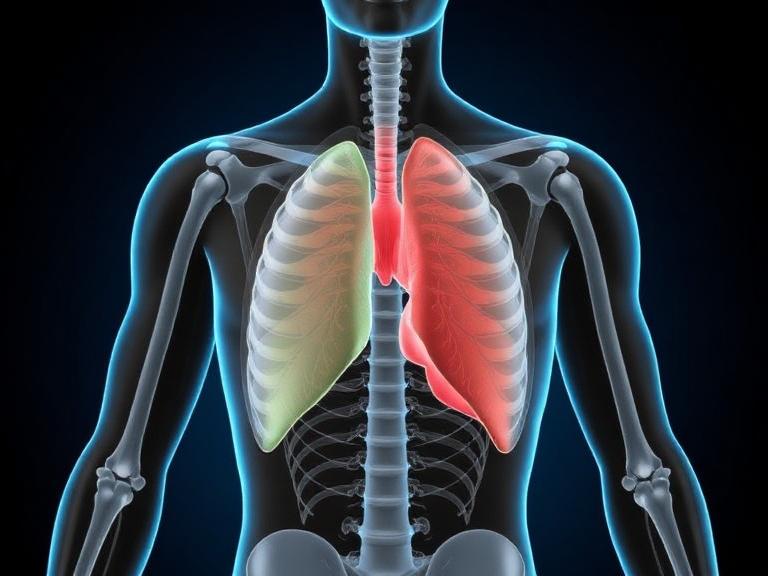
The thorax is the anatomical term used today to describe the chest region of the human body located between the neck and the abdomen. This region forms the thoracic cavity, which houses vital organs such as the heart, lungs, and major blood vessels. The thorax plays a central role in both respiration and circulation, making it one of the most important structural areas in the body.
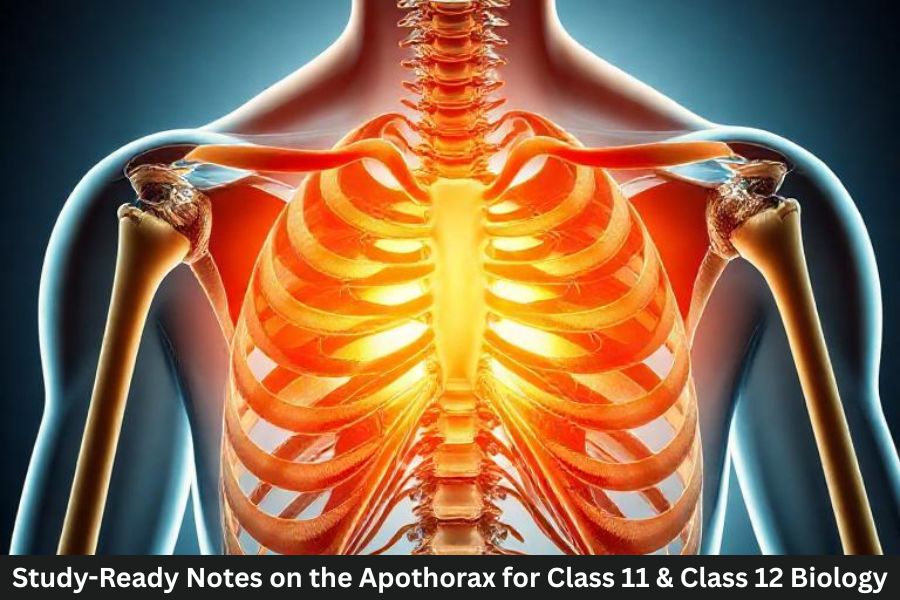
The thoracic cavity is enclosed by the rib cage, which consists of twelve pairs of ribs attached to the spine and sternum. This skeletal structure protects the internal organs while allowing movement necessary for breathing. The rib cage expands when a person inhales and contracts when they exhale, creating the pressure changes needed to move air into and out of the lungs.
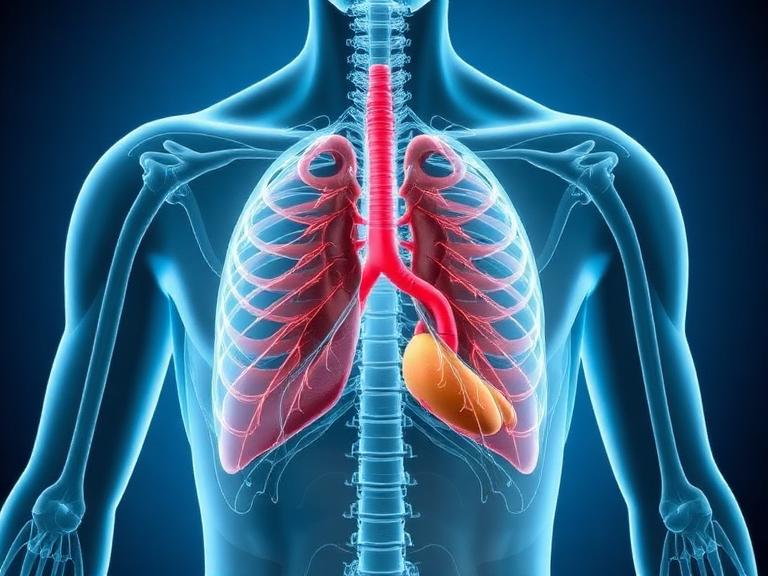
Inside the thorax, the lungs perform gas exchange by transferring oxygen into the bloodstream and removing carbon dioxide. The heart works alongside the lungs by pumping blood throughout the body. This partnership between respiration and circulation allows the body’s cells to receive oxygen and nutrients needed for energy production.
Modern anatomical studies emphasize the thorax as a complex functional region rather than simply a container for organs. Muscles, connective tissues, nerves, and blood vessels all contribute to the coordinated actions that occur within the chest cavity.
Structure and Components of the Thorax
The thorax contains several important structural components that support its function. These include bones, muscles, organs, and connective tissues that work together to maintain breathing and circulation.
The rib cage forms the outer framework of the thorax. The sternum lies at the front of the chest, while the thoracic vertebrae form the back portion of the structure. Between the ribs are intercostal muscles that assist with breathing by helping the rib cage expand and contract.
The diaphragm forms the lower boundary of the thorax. This dome-shaped muscle plays a major role in breathing by changing the volume of the chest cavity. When it contracts, the diaphragm moves downward, allowing the lungs to expand.
Within this protected space are the lungs and the heart, along with major blood vessels such as the aorta and vena cava. These structures are responsible for delivering oxygen and nutrients throughout the body.
Key Differences Between Apothorax and Thorax
| Feature | Apothorax | Thorax |
|---|---|---|
| Terminology | Historical or rare term | Modern anatomical term |
| Usage | Occasionally used in historical references | Standard term used in medicine |
| Meaning | Refers to chest region | Refers to chest cavity and thoracic structures |
| Scientific adoption | Not standardized | Official anatomical terminology |
The key difference between the two terms lies primarily in usage and standardization. Thorax is the universally accepted scientific term used in modern anatomy, while apothorax appears mostly in historical contexts or niche educational discussions.
Functional Importance of the Thoracic Region
Role in Respiration
The thorax enables breathing by allowing the lungs to expand and contract. The diaphragm and intercostal muscles work together to change the volume of the chest cavity, drawing air into the lungs during inhalation and pushing it out during exhalation.
Role in Circulation
The heart located in the thorax pumps blood through arteries and veins, delivering oxygen to tissues and removing waste products such as carbon dioxide.
Common Disorders Affecting the Thoracic Region
Several medical conditions can affect the thoracic region, including respiratory infections, lung diseases, and heart disorders. Injuries to the rib cage or chest cavity can also disrupt breathing and circulation.
Why Anatomical Terminology Matters in Medicine
Accurate anatomical terminology ensures that medical professionals communicate clearly when diagnosing and treating patients. Standardized terms such as thorax allow researchers and doctors around the world to share knowledge without confusion.
Conclusion
Understanding the difference between apothorax and thorax highlights how anatomical terminology evolves as scientific knowledge advances. The apothorax represents an older term historically used to describe the chest region, while thorax is the modern, standardized term used in medical science.
The thoracic region itself remains essential to life because it houses organs responsible for breathing and blood circulation. The rib cage, lungs, heart, and diaphragm work together inside this space to maintain oxygen supply and support cellular energy production.
Studying these structures not only deepens our understanding of human anatomy but also demonstrates how carefully designed the body truly is.
FAQs
1. What is the difference between apothorax and thorax?
Apothorax is an older anatomical term for the chest region, while thorax is the modern scientific term used in medicine.
2. What organs are located in the thorax?
The thorax contains the lungs, heart, trachea, bronchi, and major blood vessels.
3. Why is the thorax important?
The thorax protects vital organs and supports breathing and blood circulation.
4. Is apothorax still used in modern medicine?
The term is rarely used today and has largely been replaced by thorax in medical terminology.
5. What structures form the thoracic cavity?
The thoracic cavity is formed by the rib cage, sternum, thoracic vertebrae, and diaphragm.