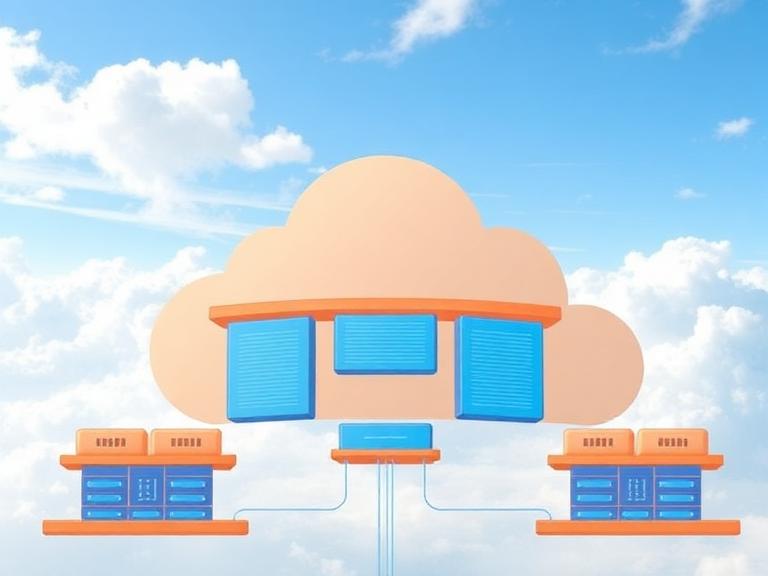
Imagine running your entire business technology inside your own building. Servers humming away in a dedicated room, networking equipment wired across departments, and IT professionals constantly monitoring performance. That traditional setup is known as on-premise computing, and for decades it was the standard way organizations managed their digital infrastructure.
In an on-premise environment, all hardware, software, and data storage are located physically within the company’s facilities. The organization purchases servers, installs applications, and maintains everything internally. This model gives businesses complete control over their infrastructure, from security protocols to software updates.
Many large corporations and government institutions still rely on on-premise systems because they handle sensitive information that requires strict control and compliance. Industries such as healthcare, finance, and defense often prefer this approach because it allows them to maintain full authority over data storage and access policies.
The biggest advantage here is ownership and customization. Companies can configure systems exactly the way they want without relying on third-party providers. However, this control comes with responsibility. Organizations must invest heavily in hardware, maintenance, upgrades, and skilled IT staff.
Think of on-premise computing like owning a private power plant for your business. You control everything, but you also pay for construction, maintenance, and repairs. That balance between control and cost is exactly why businesses today are reconsidering whether on-premise infrastructure still makes sense in a rapidly evolving digital world.
What Is Cloud Computing?
Cloud computing flips the traditional model upside down. Instead of building and maintaining their own infrastructure, companies rent computing power from specialized providers over the internet.
In this setup, data storage, servers, and applications are hosted in massive remote data centers operated by cloud providers. Businesses access these services through web browsers or APIs without worrying about the underlying hardware. It’s similar to streaming movies online instead of owning a DVD collection—you access what you need without managing the equipment.
Cloud computing has grown dramatically in the past decade. Recent research shows that 98% of companies globally now use cloud services in some capacity, and nearly 94% rely on cloud infrastructure for operations.
Why such explosive growth? Because the cloud offers flexibility that traditional systems struggle to match. Companies can scale resources instantly, deploy applications faster, and avoid large upfront hardware investments. Instead of buying expensive servers, they pay for computing resources as needed.
Another major advantage is accessibility. Employees can access data and applications from anywhere with an internet connection, making remote work and global collaboration easier than ever.
Think of cloud computing as renting a fully equipped office instead of building one from scratch. Everything is ready to use—you simply pay for the space you need and focus on running your business.
Why Businesses Compare On-Premise and Cloud Solutions
The Rapid Growth of Cloud Adoption
The technology landscape has changed dramatically in recent years, and cloud computing sits at the center of that transformation. Businesses increasingly choose cloud infrastructure because it supports innovation, scalability, and global connectivity.
Statistics highlight this shift clearly. Around 58% of enterprise workloads now run in public cloud environments, showing that cloud infrastructure has moved beyond experimentation and into mainstream operations.
The shift is driven by several factors. First, organizations want agility. Traditional infrastructure requires months to deploy servers or upgrade systems, while cloud resources can be activated within minutes. For fast-moving companies, that speed difference can determine whether they succeed or fall behind competitors.
Another driver is cost efficiency. Instead of massive capital expenditures for hardware and infrastructure, cloud platforms convert those expenses into predictable operating costs. Businesses pay for what they use, allowing them to allocate resources more strategically.
Remote work has also accelerated cloud adoption. Teams working across different locations need reliable access to shared data and applications. Cloud platforms make collaboration seamless, enabling employees to work from anywhere without complex networking setups.
These advantages explain why many organizations now adopt “cloud-first” strategies, where new applications are automatically built for cloud environments rather than traditional servers.
Why On-Premise Systems Still Exist
Despite the rapid growth of cloud computing, on-premise infrastructure hasn’t disappeared—and it probably never will. Many organizations still rely on it for specific reasons that cloud platforms cannot always address.
One of the biggest factors is data sovereignty and regulatory compliance. Certain industries must store sensitive data within specific geographic locations or maintain strict access control. On-premise systems allow organizations to meet these requirements more easily because they maintain full control over their infrastructure.
Performance is another important consideration. Applications requiring extremely low latency or dedicated computing power sometimes perform better on local infrastructure than in shared cloud environments. For example, financial trading platforms or scientific computing systems often rely on on-premise hardware for maximum speed.
Cost structure can also influence decisions. While cloud computing reduces upfront costs, long-term operational expenses may accumulate for organizations with predictable workloads. In such cases, owning infrastructure can be more cost-effective over time.
Finally, there’s the issue of control. Some companies prefer managing their own systems rather than relying on external providers. This approach allows them to customize software, implement unique security policies, and maintain complete independence.
For these reasons, the debate between on-premise and cloud computing isn’t about choosing a universal winner. Instead, businesses must evaluate which approach aligns best with their needs, resources, and strategic goals.
How On-Premise Infrastructure Works
Key Components of On-Premise Systems
On-premise computing environments rely on a combination of hardware, networking, and software components located within the organization’s facilities. These systems form the backbone of internal IT infrastructure and require careful planning to operate effectively.
At the core are physical servers, which store data and run business applications. These servers are typically housed in dedicated server rooms or data centers equipped with cooling systems, backup power supplies, and security controls.
Networking equipment connects these servers to employee devices across the organization. Routers, switches, and firewalls ensure that data moves securely between departments and external networks.
Software platforms also play a crucial role. Businesses install operating systems, databases, enterprise applications, and security tools directly on their servers. IT teams manage updates, patches, and configurations to keep systems running smoothly.
Maintaining such infrastructure requires skilled personnel. System administrators monitor performance, troubleshoot issues, and ensure compliance with security policies. While this approach offers full control, it also demands significant resources and ongoing maintenance.
Typical Use Cases for On-Premise Environments
Certain scenarios make on-premise infrastructure particularly valuable. Large enterprises with sensitive data often prefer local servers because they provide greater visibility and control over security protocols.
Government agencies are a prime example. National security regulations often require sensitive information to remain within government-controlled facilities rather than external cloud servers.
Manufacturing companies also use on-premise systems to support equipment that requires real-time data processing. When machines rely on immediate responses from control systems, even small delays from cloud connections can affect performance.
Another common use case is legacy systems. Many organizations rely on older software designed specifically for on-premise environments. Migrating these systems to the cloud can be expensive or technically complex, so companies continue operating them locally.
These examples show that while cloud computing dominates modern IT discussions, on-premise infrastructure still plays an important role in many industries.
How Cloud Computing Works
Types of Cloud Services (SaaS, PaaS, IaaS)
Cloud computing delivers services through several different models, each designed to meet specific business needs.
Software as a Service (SaaS) provides ready-to-use applications delivered through web browsers. Businesses simply log in and start using the software without installing anything locally.
Platform as a Service (PaaS) offers development platforms where programmers can build and deploy applications without managing underlying infrastructure.
Infrastructure as a Service (IaaS) provides virtual servers, storage, and networking resources that organizations can configure according to their requirements.
These models allow businesses to choose the level of control and flexibility they need while reducing the burden of managing physical hardware.
Public, Private, and Hybrid Cloud Models
Cloud computing also exists in different deployment models. Public cloud services are shared environments where multiple organizations use the same infrastructure. Providers manage the hardware and security while customers access resources on demand.
Private cloud environments are dedicated to a single organization, offering greater control and customization.
Hybrid cloud combines both approaches, allowing businesses to keep sensitive data on private infrastructure while using public cloud resources for scalability.
Hybrid models are becoming increasingly popular because they offer the best of both worlds—flexibility from the cloud and control from on-premise systems.
Pros and Cons of On-Premise Computing
Advantages of On-Premise Systems
On-premise infrastructure offers several advantages that continue to attract organizations requiring strict control over their IT environments.
The most obvious benefit is complete data control. Businesses determine exactly where data is stored and how it is protected. This control is particularly valuable for industries subject to strict regulatory requirements.
Another advantage is customization. Organizations can configure hardware and software to meet specific performance or operational needs. Cloud platforms sometimes limit customization because they operate standardized environments.
On-premise systems also provide predictable performance. Since resources are dedicated to a single organization, companies avoid potential performance fluctuations that can occur in shared cloud environments.
For organizations with stable workloads, owning infrastructure can also reduce long-term costs because they avoid recurring subscription fees.
Disadvantages of On-Premise Infrastructure
Despite its benefits, on-premise computing has several drawbacks that have pushed many organizations toward cloud solutions.
The most significant challenge is high upfront cost. Companies must purchase servers, networking equipment, software licenses, and backup systems before deploying applications.
Maintenance is another major concern. IT teams must manage updates, security patches, hardware replacements, and system monitoring. These tasks require specialized expertise and continuous investment.
Scalability can also be difficult. When businesses need additional capacity, they must purchase and install new hardware, which can take weeks or months.
Finally, on-premise infrastructure lacks the flexibility that modern businesses often require. In a world where remote work and global collaboration are common, relying solely on local systems can limit accessibility.
Pros and Cons of Cloud Computing
Advantages of Cloud Computing
Cloud computing offers a range of advantages that have driven widespread adoption across industries.
One of the biggest benefits is cost efficiency. Companies avoid large upfront investments and instead pay for resources as needed. Research shows that cloud migration can reduce total cost of ownership by around 35% compared to traditional infrastructure.
Scalability is another key advantage. Businesses can instantly increase or decrease computing resources depending on demand, allowing them to respond quickly to market changes.
Cloud platforms also support remote access, enabling employees to work from anywhere with an internet connection. This capability has become essential in today’s hybrid work environments.
Security improvements are another major benefit. Large cloud providers invest heavily in cybersecurity technologies, offering protections that smaller organizations may struggle to implement independently.
Disadvantages of Cloud Solutions
Despite its many advantages, cloud computing isn’t perfect. One common concern is dependency on internet connectivity. Without reliable internet access, users may struggle to access cloud applications or data.
Another challenge is long-term cost management. While cloud services reduce upfront expenses, usage-based pricing can increase over time if resources aren’t carefully managed.
Security perceptions also remain a concern for some organizations. Even though cloud providers invest heavily in security, businesses must trust third-party platforms with their sensitive data.
Finally, customization may be limited in certain cloud environments because infrastructure is shared among multiple customers.
On-Premise vs Cloud Comparison Table
| Feature | On-Premise Computing | Cloud Computing |
|---|---|---|
| Infrastructure | Owned and maintained by organization | Managed by cloud provider |
| Upfront Cost | High capital investment | Low initial cost |
| Scalability | Limited by hardware capacity | Instantly scalable |
| Maintenance | Managed by internal IT team | Managed by provider |
| Accessibility | Mostly local network | Accessible from anywhere |
| Customization | Highly customizable | Limited customization |
| Security Control | Full internal control | Shared responsibility |
Which Option Is Better for Different Businesses?
Best Choice for Startups and Small Businesses
Startups and small businesses often operate with limited budgets and minimal IT resources. For them, cloud computing offers clear advantages.
Instead of investing thousands of dollars in servers and infrastructure, they can launch applications quickly using cloud platforms. This allows them to focus on product development and customer acquisition rather than managing hardware.
Cloud solutions also scale easily, making them ideal for companies expecting rapid growth.Best Choice for Large Enterprises
Large enterprises often operate complex IT environments that include both cloud and on-premise systems.
Some applications may run in the cloud to benefit from scalability, while sensitive data remains on internal servers for compliance reasons.
This hybrid approach allows organizations to balance flexibility with control.
Future Trends: Hybrid and Multi-Cloud Strategies
The future of enterprise computing isn’t purely cloud or purely on-premise—it’s hybrid. Many organizations now combine both approaches to maximize efficiency and security.
Hybrid environments allow businesses to run sensitive workloads on private infrastructure while using public cloud resources for scalability and innovation.
Experts predict that hybrid and multi-cloud strategies will become the dominant architecture for modern enterprises.
Conclusion
The debate between on-premise and cloud computing reflects the evolving needs of modern businesses. On-premise infrastructure offers unmatched control, customization, and compliance capabilities. Cloud computing, on the other hand, delivers scalability, cost flexibility, and accessibility that traditional systems struggle to match.
Rather than viewing these approaches as competitors, many organizations now treat them as complementary tools. Hybrid strategies allow businesses to combine the strengths of both models, creating flexible infrastructure capable of adapting to future technological changes.
Ultimately, the best choice depends on factors such as budget, regulatory requirements, performance needs, and long-term business strategy. Companies that carefully evaluate these factors will be better positioned to build IT systems that support innovation and growth.
FAQs
1. What is the main difference between on-premise and cloud computing?
On-premise computing stores and manages infrastructure within a company’s facilities, while cloud computing delivers computing services over the internet through remote data centers.
2. Is cloud computing cheaper than on-premise?
Cloud computing usually has lower upfront costs, but long-term expenses depend on usage. For some stable workloads, on-premise infrastructure may be more cost-effective.
3. Why do some companies still prefer on-premise systems?
Organizations handling sensitive data or strict regulatory requirements often prefer on-premise systems because they provide full control over security and compliance.
4. Can businesses use both cloud and on-premise infrastructure?
Yes. Many companies adopt hybrid IT strategies that combine cloud services with on-premise infrastructure.
5. Which industries commonly use on-premise systems?
Industries such as healthcare, finance, government, and defense frequently use on-premise infrastructure due to strict security and compliance requirements.