When we delve into the complexities of human anatomy, there are certain terms and regions that are crucial for understanding the human body. One such term is Apothorax, a specific area within the thoracic region of the body. While the term may sound unfamiliar, it is closely related to key organs involved in the functions of breathing, circulation, and digestion. This article will explain the meaning, structure, and function of the Apothorax in human anatomy, providing a deeper understanding of how this region contributes to overall health.
What is the Apothorax?
The Apothorax refers to a specific anatomical area located within the thoracic cavity, which houses several vital organs. The term “Apothorax” is derived from the word “thorax,” which refers to the chest area, but it specifically emphasizes the upper section of the chest.
In simple terms, the Apothorax is the upper portion of the chest cavity, housing organs involved in breathing, circulation, and digestion, all of which are essential for human survival. The organs found within this area work together to maintain normal body function.
Structure of the Apothorax
The Apothorax, as part of the thoracic cavity, is enclosed by several important structural components. Let’s take a look at the bones, muscles, and membranes that help form and protect the Apothorax.
1. The Ribcage
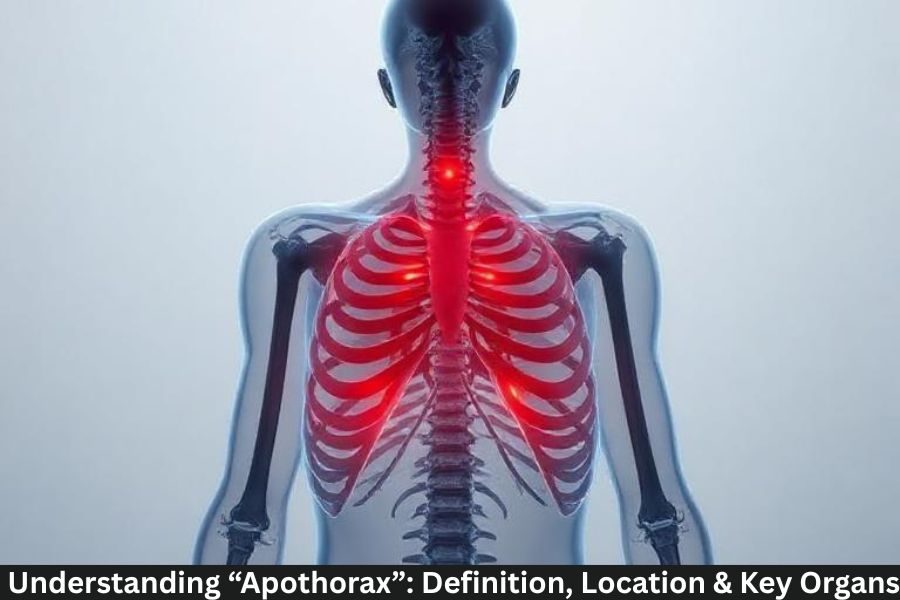
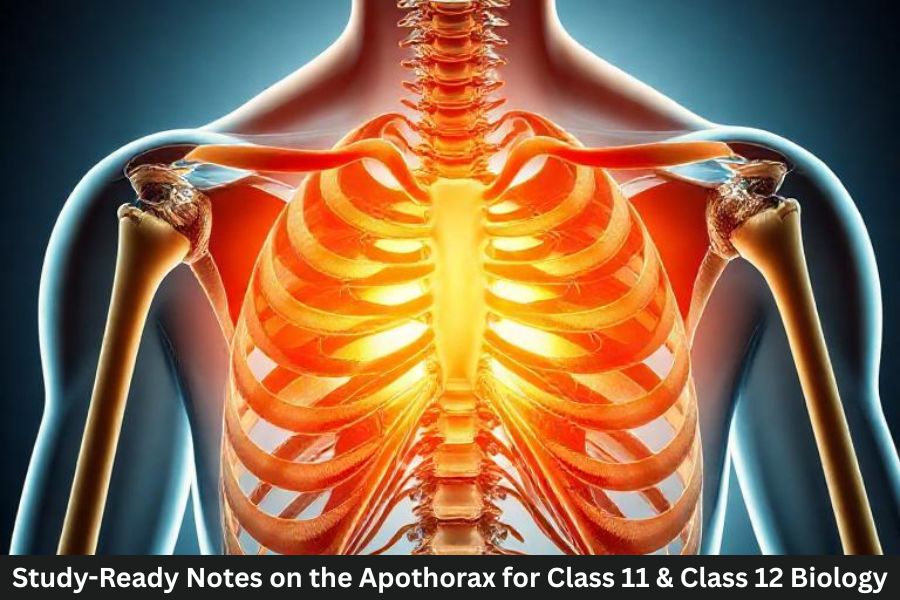
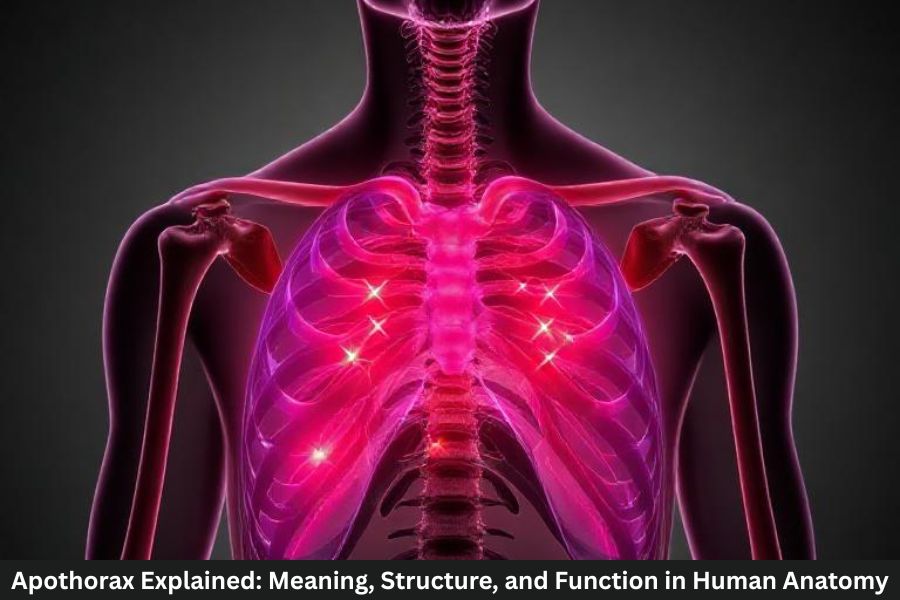
The ribcage is a bony structure made up of ribs, sternum (breastbone), and thoracic vertebrae that forms the protective framework of the thoracic cavity. It surrounds the organs in the Apothorax, offering support and safeguarding them from external damage.
2. The Diaphragm
The diaphragm is a dome-shaped muscle that separates the thoracic cavity (where the Apothorax is located) from the abdominal cavity. It plays a vital role in the process of breathing, as it contracts and relaxes to allow air into the lungs and expel carbon dioxide.
3. Pleura
The pleura is a double-layered membrane that surrounds the lungs and lines the thoracic cavity. This membrane helps reduce friction between the lungs and the chest wall during breathing movements.
4. The Mediastinum
The mediastinum is a central compartment within the thoracic cavity, which contains vital structures such as the heart, major blood vessels, trachea, and esophagus. The Apothorax falls within this region and is surrounded by these organs.
Organs Located in the Apothorax
The Apothorax houses several key organs that play a vital role in ensuring the proper functioning of the human body. Here’s an overview of each of these organs and their functions:
1. The Heart
- Location: Slightly left of the midline of the chest.
- Function: The heart is responsible for pumping blood throughout the body, delivering oxygen and nutrients to tissues and removing waste products. It is at the core of the cardiovascular system.
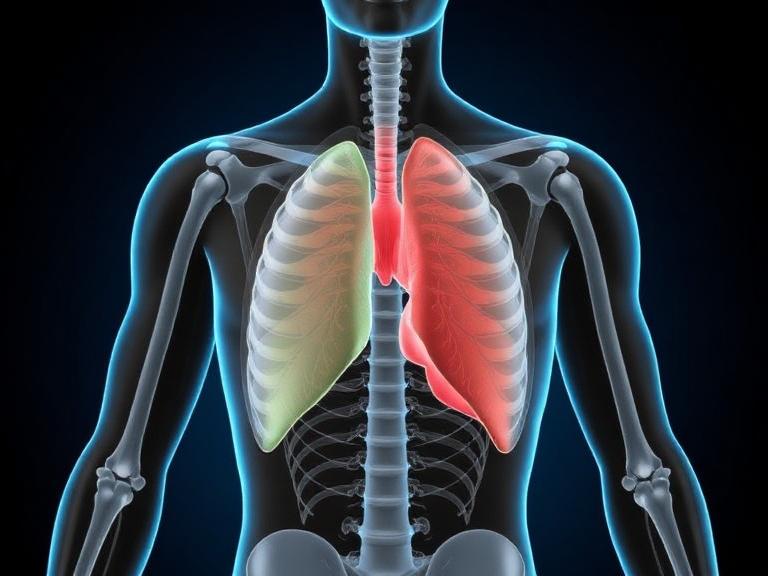
2. The Lungs
- Location: On either side of the heart within the chest cavity.
- Function: The lungs facilitate gas exchange—bringing oxygen into the body and removing carbon dioxide during the process of respiration. The lungs are essential for life as they provide oxygen to the bloodstream.
3. The Trachea (Windpipe)
- Location: In front of the esophagus and below the larynx.
- Function: The trachea is the air passageway that carries air to and from the lungs. It ensures that oxygen-rich air reaches the lungs for gas exchange and that carbon dioxide is expelled.
4. Major Blood Vessels
- Aorta: The largest artery in the body that carries oxygenated blood from the heart to the rest of the body.
- Pulmonary Arteries and Veins: These vessels carry deoxygenated blood from the heart to the lungs and return oxygenated blood back to the heart.
- Superior and Inferior Vena Cava: Large veins that return deoxygenated blood to the heart from the body.
5. The Esophagus
- Location: Behind the trachea, connecting the mouth to the stomach.
- Function: The esophagus moves food and liquids from the mouth to the stomach for digestion, playing a central role in the digestive system.
Function of the Apothorax in Human Physiology
The Apothorax plays a crucial role in several body systems. Let’s break down the main functions of the organs in the Apothorax and how they contribute to human physiology:
1. Respiratory System
The lungs in the Apothorax are the main organs responsible for gas exchange. The diaphragm, which is also located in this region, helps facilitate breathing by contracting and expanding, allowing air to flow in and out of the lungs. Without these organs functioning properly, the body would not be able to maintain oxygen levels and remove carbon dioxide.
2. Cardiovascular System
The heart and blood vessels found in the Apothorax are critical for the circulatory system. The heart pumps oxygenated blood to the body through the aorta and brings deoxygenated blood back via the pulmonary veins. This circulation ensures that tissues receive the nutrients and oxygen they need to function.
3. Digestive System
While the Apothorax is not directly involved in digestion, the esophagus, which passes through this region, is crucial for moving food from the mouth to the stomach. Proper functioning of the esophagus ensures that the body can receive and process nutrients effectively.
Apothorax and Disease
Disorders that affect the organs in the Apothorax can have significant consequences for overall health. Here are some common conditions related to the Apothorax:
1. Heart Disease
Conditions such as coronary artery disease, heart failure, and arrhythmias can affect the functioning of the heart, disrupting blood circulation and oxygen delivery to tissues.
2. Pulmonary Disorders
Diseases like asthma, chronic obstructive pulmonary disease (COPD), pneumonia, and pulmonary embolism can impair lung function, leading to difficulty in breathing and decreased oxygen intake.
3. Esophageal Disorders
Disorders like acid reflux (GERD), esophageal cancer, and swallowing difficulties can affect the esophagus and impact digestion.
4. Trauma
Injury to the ribcage or chest can damage the organs within the Apothorax, such as lung punctures, heart injuries, or damage to blood vessels, which may lead to life-threatening conditions.
Conclusion
In summary, the Apothorax is a crucial anatomical region that houses several vital organs, including the heart, lungs, trachea, esophagus, and major blood vessels. These organs work together to support the body’s respiratory, cardiovascular, and digestive systems. Understanding the structure and function of the Apothorax is essential for grasping the complexity of human anatomy and the interconnectedness of our bodily systems. Maintaining a healthy Apothorax is crucial for overall well-being, as it directly influences essential life-sustaining processes.
FAQs
1. What is the Apothorax?
The Apothorax refers to the upper part of the chest cavity, which houses important organs like the heart, lungs, and trachea.
2. What organs are located in the Apothorax?
Key organs in the Apothorax include the heart, lungs, trachea, esophagus, and major blood vessels like the aorta and pulmonary arteries.
3. How does the Apothorax contribute to the respiratory system?
The lungs and diaphragm in the Apothorax are responsible for gas exchange—bringing in oxygen and expelling carbon dioxide, which is vital for breathing.
4. Can diseases affect the Apothorax?
Yes, diseases such as heart disease, lung disorders, and esophageal conditions can affect the organs in the Apothorax, leading to serious health issues.
5. How can I protect the organs in the Apothorax?
Maintaining a healthy lifestyle, avoiding smoking, staying active, and eating a balanced diet can help protect the organs in the Apothorax from disease.