The Apothorax is an essential term in human anatomy, often discussed in biology textbooks in the context of the chest region. The term is not commonly used in everyday language, but understanding its function and location is important for students studying the human respiratory and circulatory systems. In this article, we’ll cover the definition, location, and important organs of the Apothorax, specifically for Class 11 and Class 12 Biology students.
What is Apothorax?
The Apothorax is an anatomical term referring to a region in the upper chest area of the body, which houses several crucial organs. This region is part of the thoracic cavity, which is located between the neck and the diaphragm. The Apothorax is home to important organs involved in breathing, circulation, and digestion.
In simpler terms, the Apothorax is a part of the chest that contains vital organs necessary for basic functions like respiration, heart pumping, and digestion.
Location of the Apothorax
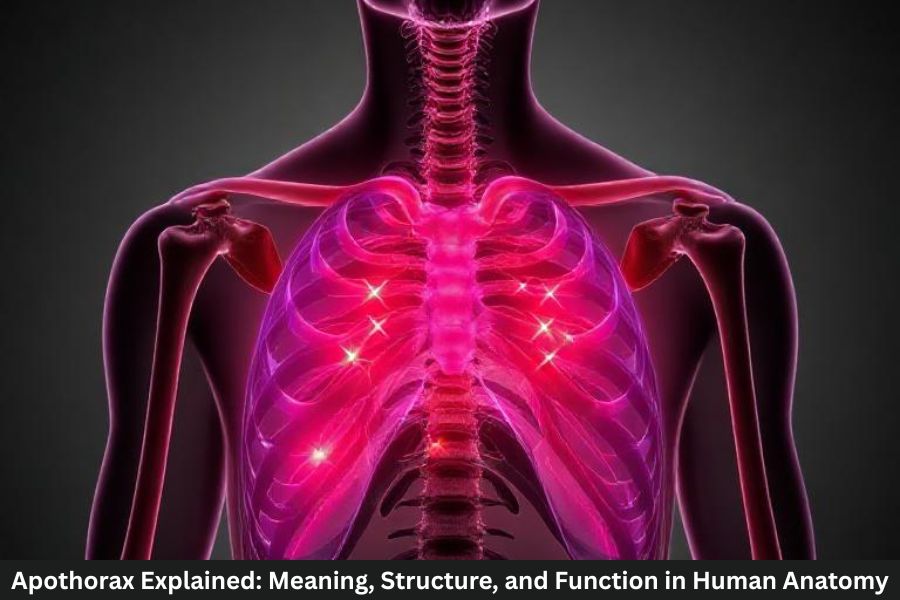
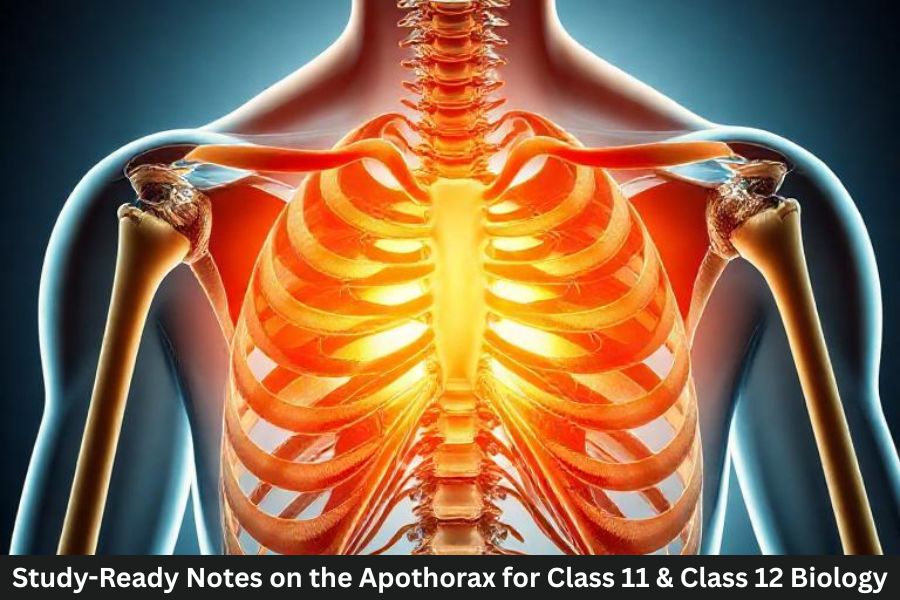
The Apothorax is located within the thoracic cavity, which is surrounded by the ribcage, the spine, and the sternum (breastbone). This region lies between the neck and the diaphragm (the muscle that separates the thoracic cavity from the abdominal cavity). The Apothorax is crucial for protecting vital organs from external damage.
Key Organs Found in the Apothorax
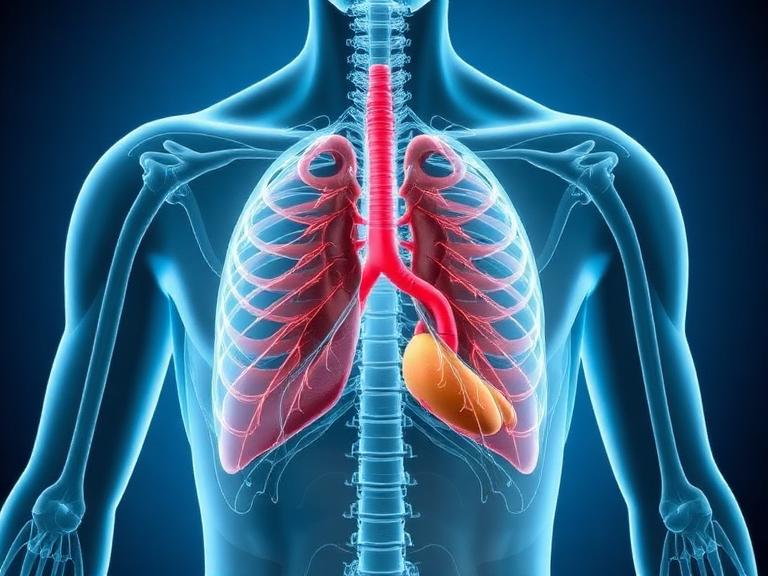
Several important organs are located within the Apothorax. Understanding these organs is critical for students, as they are involved in the body’s basic physiological processes. Below is a detailed explanation of each organ:
1. The Heart
- Location: Slightly to the left of the midline of the body, within the thoracic cavity.
- Function: The heart is a muscular organ responsible for pumping blood throughout the body. It ensures that oxygen and nutrients are delivered to tissues, while waste products are removed via the bloodstream.
- Importance in Apothorax: The heart is the central organ in the circulatory system and is located in the Apothorax region.
2. The Lungs
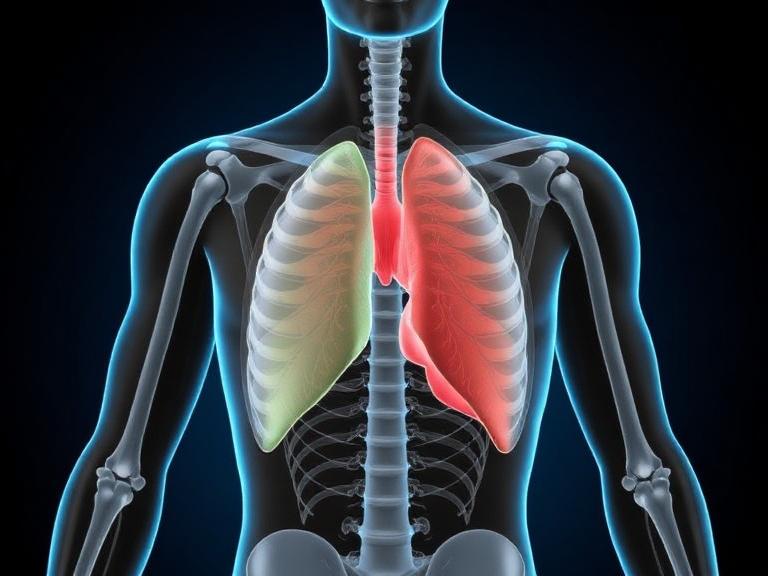
- Location: On either side of the heart, within the thoracic cavity.
- Function: The lungs are responsible for gas exchange, taking in oxygen and expelling carbon dioxide. This process is vital for cellular respiration and overall energy production in the body.
- Importance in Apothorax: The lungs play a central role in respiration and are a key part of the Apothorax.
3. The Trachea (Windpipe)
- Location: Positioned in front of the esophagus, connecting the throat to the lungs.
- Function: The trachea serves as the main airway through which air passes to reach the lungs.
- Importance in Apothorax: The trachea facilitates the flow of air, enabling breathing.
4. Major Blood Vessels (Aorta, Pulmonary Arteries, and Veins)
- Location: The aorta is the main artery that originates from the heart and branches off to supply oxygenated blood to the body. The pulmonary arteries carry deoxygenated blood to the lungs, while the pulmonary veins bring oxygenated blood back to the heart.
- Function: These blood vessels are responsible for the circulation of blood, delivering oxygen and nutrients to the tissues while removing waste products.
- Importance in Apothorax: These blood vessels are essential for maintaining the cardiovascular system, which circulates blood throughout the body.
5. The Esophagus
- Location: Behind the trachea, the esophagus is a muscular tube that connects the mouth to the stomach.
- Function: The esophagus transports food and liquids from the mouth to the stomach for digestion.
- Importance in Apothorax: While not directly involved in breathing or circulation, the esophagus plays an important role in digestion and is situated in the Apothorax.
6. The Diaphragm
- Location: Positioned beneath the lungs, separating the thoracic cavity from the abdominal cavity.
- Function: The diaphragm is a large, dome-shaped muscle that helps in the process of breathing. It contracts and flattens when you inhale, increasing the space in the chest cavity and allowing air to fill the lungs.
- Importance in Apothorax: The diaphragm plays a key role in respiration, making it a critical structure in the Apothorax.
Role of Apothorax in Human Physiology
The Apothorax is essential for the proper functioning of the human body, especially in maintaining respiratory and circulatory processes. Let’s break down how the key organs within the Apothorax contribute to the overall health of the body:
1. Breathing (Respiratory System)
- The lungs and trachea within the Apothorax are primarily responsible for the exchange of gases (oxygen and carbon dioxide). Oxygen is inhaled into the lungs, absorbed into the bloodstream, and transported to tissues. Carbon dioxide is expelled from the body during exhalation.
2. Circulation (Cardiovascular System)
- The heart, located in the Apothorax, pumps blood throughout the body. Blood is pumped from the heart to the lungs via the pulmonary arteries and then returns to the heart via the pulmonary veins, now oxygenated. The oxygenated blood is then pumped out to the rest of the body via the aorta.
3. Digestion (Digestive System)
- The esophagus is an essential organ in the digestive system, responsible for moving food from the mouth to the stomach. Although it is not part of the respiratory or circulatory systems, it is still located in the Apothorax and plays a key role in digestion.
Disorders Related to Apothorax
Several conditions can affect the organs within the Apothorax. Some of the most common disorders include:
1. Heart Disease
- Conditions such as coronary artery disease, heart attack, and arrhythmias can affect the heart’s ability to pump blood, leading to health complications.
2. Pulmonary Disorders
- Diseases like asthma, pneumonia, chronic obstructive pulmonary disease (COPD), and pulmonary embolism can impact the lungs and affect breathing.
3. Esophageal Disorders
- Acid reflux (GERD) and esophageal cancer can interfere with the normal function of the esophagus, leading to difficulty in swallowing and other symptoms.
4. Rib and Chest Trauma
- Physical trauma to the chest can cause damage to the organs in the Apothorax, including the lungs and heart. Rib fractures or blunt force trauma can also cause internal bleeding or punctured lungs.
Conclusion
The Apothorax is a vital anatomical region that encompasses several essential organs such as the heart, lungs, trachea, and esophagus. These organs play crucial roles in respiration, circulation, and digestion. Understanding the Apothorax is fundamental for biology students, as it highlights the interconnectedness of various systems in the human body. By maintaining good health, we can ensure the optimal functioning of these organs and promote overall well-being.
FAQs
1. What is the Apothorax?
The Apothorax refers to the upper chest region that houses important organs like the heart, lungs, trachea, and esophagus.
2. What organs are located in the Apothorax?
The key organs located in the Apothorax include the heart, lungs, trachea, esophagus, and major blood vessels.
3. Why is the Apothorax important?
The Apothorax is important because it houses organs essential for breathing, circulation, and digestion, all of which are crucial for survival.
4. How does the Apothorax contribute to the body’s systems?
The Apothorax supports the respiratory and cardiovascular systems by facilitating gas exchange and blood circulation.
5. What diseases can affect the Apothorax?
Disorders like heart disease, lung diseases, acid reflux, and chest trauma can affect the organs housed within the Apothorax.