When it comes to studying anatomy and the human body, we often encounter terms that sound unfamiliar or complex. One such term is “Apothorax”—an anatomical term that is rarely discussed in mainstream biology or medical literature. So, what exactly is the Apothorax? Where is it located, and what organs are involved in its structure and function? In this article, we’ll uncover everything you need to know about Apothorax, from its definition and location to the key organs it encompasses.
What is Apothorax?
The term “Apothorax” refers to a specific region in the body that is involved in both structural and functional capacities. It is often associated with the chest area, particularly in reference to certain anatomical and physiological processes.
In basic terms, Apothorax is a zone or part of the thoracic cavity, which houses essential organs and systems required for breathing, circulation, and overall bodily function.
Where is Apothorax Located?
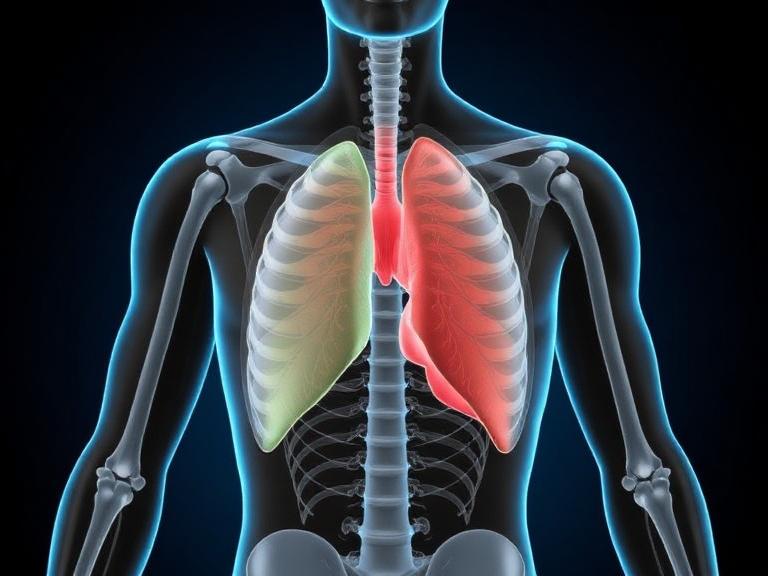
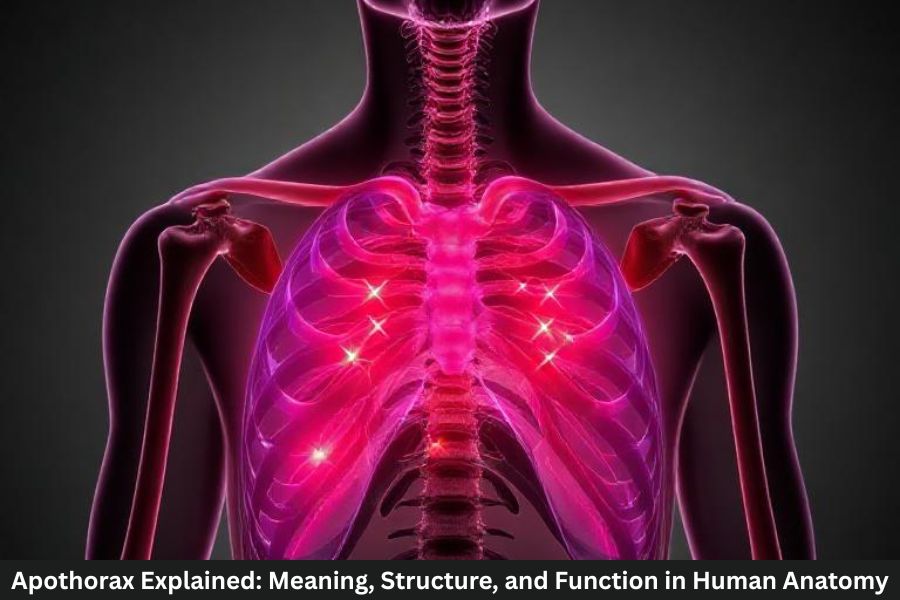
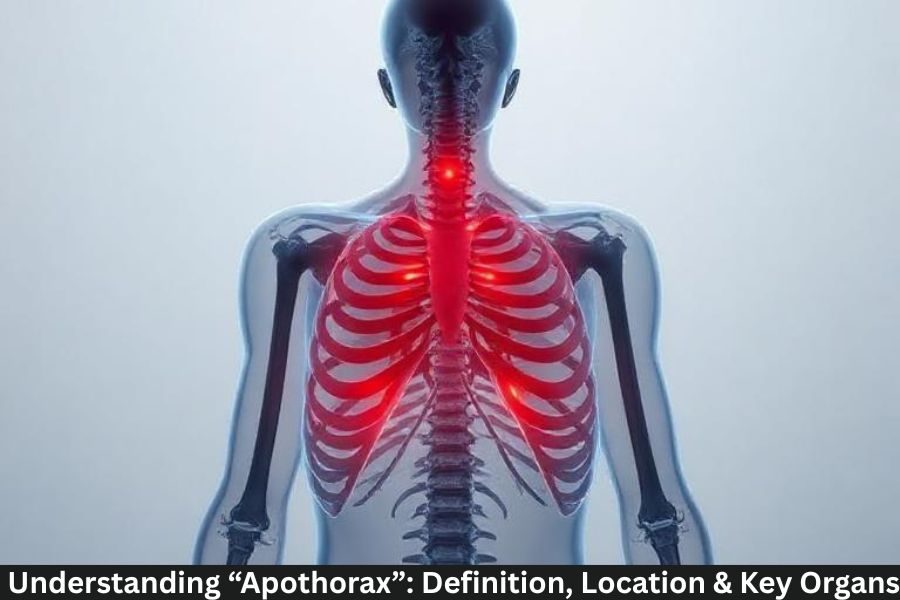
The Apothorax is located within the thoracic cavity, which is situated between the neck and the diaphragm. It is bordered by the ribcage, the spine, and the sternum, which act as protective walls for the organs within.
To put it simply, Apothorax refers to a region of the body that corresponds roughly to the upper chest. This area is critical for the protection and functioning of the lungs, heart, and major blood vessels, as well as other important organs.
Key Organs Found in Apothorax
Within the Apothorax, several important organs are housed. Each plays a crucial role in ensuring the body’s survival and functioning. Let’s take a closer look at these key organs:
1. The Heart
The heart is perhaps the most vital organ found within the Apothorax. Positioned slightly to the left of the midline, the heart is responsible for pumping blood throughout the body, supplying oxygen and nutrients to tissues, and removing waste products.
2. The Lungs
The lungs are located on either side of the heart within the thoracic cavity. Their primary function is gas exchange—bringing oxygen into the body while expelling carbon dioxide. The lungs play a central role in maintaining the body’s respiratory function and homeostasis.
3. The Trachea (Windpipe)
The trachea is the tube that carries air to and from the lungs. Positioned in front of the esophagus, it is an essential part of the respiratory system, ensuring that oxygen-rich air reaches the lungs and carbon dioxide is expelled during exhalation.
4. Major Blood Vessels
Within the Apothorax, you will find several major blood vessels, including the aorta, the superior vena cava, and the pulmonary arteries and veins. These vessels are responsible for transporting blood throughout the body, ensuring oxygen and nutrients are delivered to tissues and organs efficiently.
5. The Esophagus
The esophagus, a muscular tube, runs behind the trachea and connects the mouth to the stomach. It is involved in transporting food and liquids to the stomach for digestion. Although not directly involved in the respiratory process, the esophagus is still housed in the thoracic cavity and plays a key role in digestion.
6. The Diaphragm
The diaphragm is a large, dome-shaped muscle that separates the thoracic cavity from the abdominal cavity. It plays a crucial role in breathing by contracting and relaxing to allow air to enter and exit the lungs.
Why is Apothorax Important?
The Apothorax region is crucial for several reasons:
- Breathing: It houses the lungs and diaphragm, which are responsible for the process of inhalation and exhalation.
- Circulation: The heart and major blood vessels found in this region are responsible for pumping blood throughout the body, ensuring tissues receive the oxygen and nutrients they need.
- Protection: The ribcage and sternum provide a protective cage around the organs housed within the Apothorax, guarding them from external trauma.
The Role of Apothorax in Human Physiology
The Apothorax plays an indispensable role in human physiology. Here’s a deeper look at its contributions to the body’s systems:
Respiratory System
The lungs within the Apothorax are the main organs of the respiratory system, helping to bring oxygen into the body while expelling carbon dioxide. This process is vital for maintaining cellular respiration, which provides energy to all bodily functions.
Cardiovascular System
The heart and its surrounding major vessels, such as the aorta and vena cava, are part of the cardiovascular system. The heart pumps blood, supplying oxygen and nutrients to all tissues while removing waste products through circulation.
Digestive System
While the Apothorax itself isn’t directly involved in digestion, the esophagus, which runs through this region, plays a crucial role in moving food from the mouth to the stomach for digestion.
Common Disorders Related to Apothorax
Disorders affecting the organs within the Apothorax can have serious consequences for overall health. Some common conditions include:
1. Heart Disease
Heart conditions such as coronary artery disease, heart failure, and arrhythmias can impact the functioning of the heart and lead to significant health complications.
2. Pulmonary Disorders
Diseases such as asthma, pneumonia, COPD (chronic obstructive pulmonary disease), and pulmonary embolism can affect the lungs and hinder breathing.
3. Esophageal Disorders
Conditions like acid reflux or esophageal cancer can affect the esophagus and make swallowing and digestion difficult.
4. Rib Fractures or Trauma
Physical trauma to the ribcage can impact the organs within the Apothorax, potentially leading to punctured lungs, damage to the heart, or internal bleeding.
Conclusion
In conclusion, the Apothorax refers to a crucial anatomical region that encompasses several vital organs, including the heart, lungs, trachea, major blood vessels, and esophagus. These organs play an essential role in the respiratory, circulatory, and digestive systems. Understanding this region helps us appreciate the interconnectedness of our body’s systems and the importance of maintaining a healthy Apothorax for overall well-being.
FAQs
1. What is the Apothorax?
Apothorax is a term used to refer to the upper chest region in the body, housing organs like the heart, lungs, and major blood vessels.
2. What organs are located in the Apothorax?
The key organs in the Apothorax include the heart, lungs, trachea, major blood vessels, and esophagus.
3. How does the Apothorax contribute to the body’s systems?
The Apothorax plays a significant role in the respiratory and cardiovascular systems, allowing for efficient gas exchange, blood circulation, and digestion.
4. Can disorders in the Apothorax be serious?
Yes, disorders such as heart disease, pulmonary conditions, and esophageal disorders can have serious consequences on health and require medical attention.
5. How can I protect my Apothorax organs?
Maintaining a healthy lifestyle, avoiding smoking, eating a balanced diet, and engaging in regular physical activity can help protect the organs housed in the Apothorax.